When to Trust Dental Emergency Advice Online and When to Get Help In-Person
If you have ever searched your symptoms at midnight, you know the feeling. Your mouth hurts, you are trying to make sense of it, and every answer feels either too vague or too alarming. Online dental emergency advice can be genuinely helpful, especially when it helps you calm down, triage correctly, and avoid making things worse. But not every page is reliable, and not every problem can be handled remotely.
Knowing when to trust what you read, and when to get help in-person, is the difference between getting relief quickly and losing time while a real emergency progresses.
What “good” online dental emergency advice actually does
Not all online guidance is created equal. The safest advice tends to be specific, cautious, and action-oriented. When it is written well, it does not just describe symptoms, it helps you decide what to do next.
In my experience, the best online information for dental emergencies tends to: - Help you identify red flags and urgency levels - Suggest short-term, safe steps you can do right now - Tell you what not to do, especially if it could worsen pain or bleeding - Encourage you to seek in-person care when certain thresholds are met
A practical example: if you are dealing with a toothache that flares up when you drink something cold, good online dental emergency advice will usually emphasize that this can still require urgent evaluation, but it may not be a “drop everything” emergency. It will often mention that persistent pain, swelling, or fever changes the stakes. That sort of guidance is useful because it helps you prioritize.
On the other hand, warning signs that the content may be unreliable include vague reassurance, instructions that encourage delaying care, or “one-size-fits-all” solutions that ignore how variable dental emergencies can be.
Valid dental emergency advice sources matter
If you are relying on a webpage during a dental care crisis, it helps to ask whether the source has a clear clinical basis and responsible language. Look for guidance that aligns with common safety principles, such as advising urgent assessment for swelling, infection signs, or uncontrolled bleeding.
While there are many places you can read about emergency dentistry, “valid dental emergency advice sources” usually share a trait: they do not replace a diagnosis. They help with https://emergencydentistmaidenhead.co.uk immediate steps and triage, then point you toward care when your situation requires it.
The limits of dental emergency advice, and why they matter
Even the best online guidance has limits of dental emergency advice. Digital advice cannot examine your mouth, assess the extent of swelling, check how far an infection may have spread, or determine whether a tooth fracture needs a specific emergency procedure.
There are also important realities about how dental pain behaves. Some people feel “fine” until an abscess drains or swelling increases quickly later. Others can have severe pain without dramatic visible changes. That means you can read symptom descriptions and still misjudge urgency.
Here are a few common ways online self-help can fail you:
- Underestimating infection when symptoms escalate behind the scenes
- Overrelying on pain relief while the cause continues
- Accidentally worsening tissue with heat, harsh rinses, or inappropriate pressure
- Delaying because the advice sounds calm, even when the situation is not
When people search for online dental emergency self help, they often want two answers: “Is this serious?” and “What do I do right now?” Online guidance can support the “right now” part, but only an in-person exam can reliably answer the seriousness question when red flags are present.
Knowing when dental emergency needs dentist care
This is the key decision point: when does “monitor at home” become “get seen now”? A useful rule is to treat any sign of spreading infection or compromised breathing as an immediate priority, not something to wait out.
If you notice swelling that is growing, pain that is rapidly worsening, or systemic symptoms like fever or feeling generally unwell, you should assume the problem may need prompt dental assessment.
When online advice is enough for the first steps
There are moments when online information can genuinely help you stabilize the situation until you can contact a dentist. The goal is not to “solve” the problem remotely, it is to avoid harm while you arrange care.
Online guidance is often appropriate for short-term steps when symptoms are mild, localized, and you can still access professional help soon. For example, temporary tooth sensitivity after biting something hard, minor gum irritation, or discomfort that is not accompanied by swelling or fever may be manageable with basic, safe measures while you book an appointment.
If you are unsure, treat your first contact with online advice as triage support. Use it to decide whether you can wait for a routine urgent appointment, or whether you need immediate emergency dental care.
A helpful way to think about it is this: online advice can guide “what to do until you can be examined.” It should not guide “what to do instead of being examined.”
Practical steps that are usually safe while you arrange care
These are general, short-term measures that many reputable guides suggest. If anything feels like it would worsen pain or swelling, stop and seek in-person advice sooner.
- Use cold compresses on the outside of the face if swelling is present
- Keep your head elevated when resting
- Rinse gently with warm salt water if you can do so comfortably
- Take pain relief only as directed on the label, and avoid doubling up
- Contact an emergency dental service or your dentist as soon as you can
This kind of approach can help you get through the hours until you can be assessed. It does not replace evaluation, but it protects you from common missteps.
When it’s time to stop reading and get help in-person
At some point, the safest choice is to stop trying to interpret symptoms alone. Dental emergencies can change quickly, and the downside of waiting is often higher than the inconvenience of seeking care.
If you are seeing any of the following, it is wise to prioritize getting help in-person rather than relying on more online dental emergency advice:
- Facial swelling that is spreading or worsening
- Trouble swallowing, breathing, or speaking clearly
- Bleeding that will not slow down with gentle pressure
- A knocked-out tooth or a tooth that has been severely displaced
- Fever or feeling systemically unwell along with mouth pain
In situations like these, online information is no longer the right tool. You need clinical assessment and, in some cases, urgent treatment to prevent complications. This is exactly where knowing when dental emergency needs dentist care matters most, because the “home care” window narrows fast.
What to expect when you go in
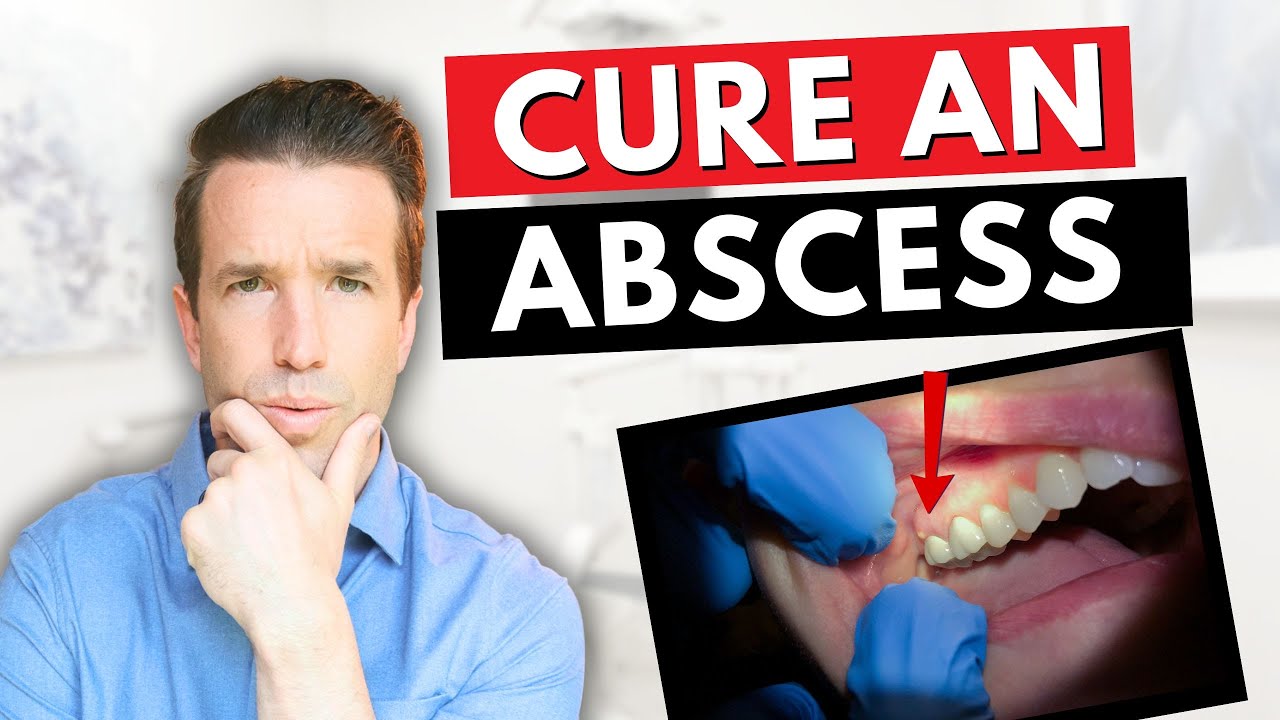
When you seek emergency dental care, the first goal is safety. A clinician will usually assess swelling and breathing risk, check for signs of infection, and evaluate whether there is a fracture, displaced tooth, or abscess that needs drainage or specific treatment.
Even if you are worried about cost or you feel embarrassed that it might be “something minor,” dental teams are used to emergency calls. Pain and swelling are not inconveniences you have to prove. They are symptoms that deserve evaluation.
How to choose the right next step without panic
It is easy to spiral when your mouth hurts and sleep feels impossible. I have seen people feel more stressed after reading five different opinions online, each contradicting the last. A calmer approach is to set a time limit and make decisions based on your current red flags.
One simple approach is to do this in order: 1. Check for urgent danger signs first, not symptom explanations. 2. Use reliable guidance for short-term self care only. 3. Call an emergency dental clinic or your dentist to ask about urgency. 4. If symptoms worsen while you wait, escalate your care immediately.
If you can access a clinician quickly, do it. If you cannot, use online guidance to make your situation safer while you arrange the next available appointment.
When you are weighing online advice versus in-person care, trust your own observations. Growing swelling, fever, breathing or swallowing discomfort, and uncontrolled bleeding are not the kind of problems you “research yourself out of.” They are the moments to get treatment, because time matters.
Dental emergency advice can help you navigate the first steps, but in-person care is what confirms what is actually happening and stops the problem at its source.